
LFR-1201 is a proprietary formulation of verteporfin being developed to target dysregulated Hippo pathway signaling in fibrotic diseases including idiopathic pulmonary fibrosis (IPF) and systemic sclerosis (SSc).
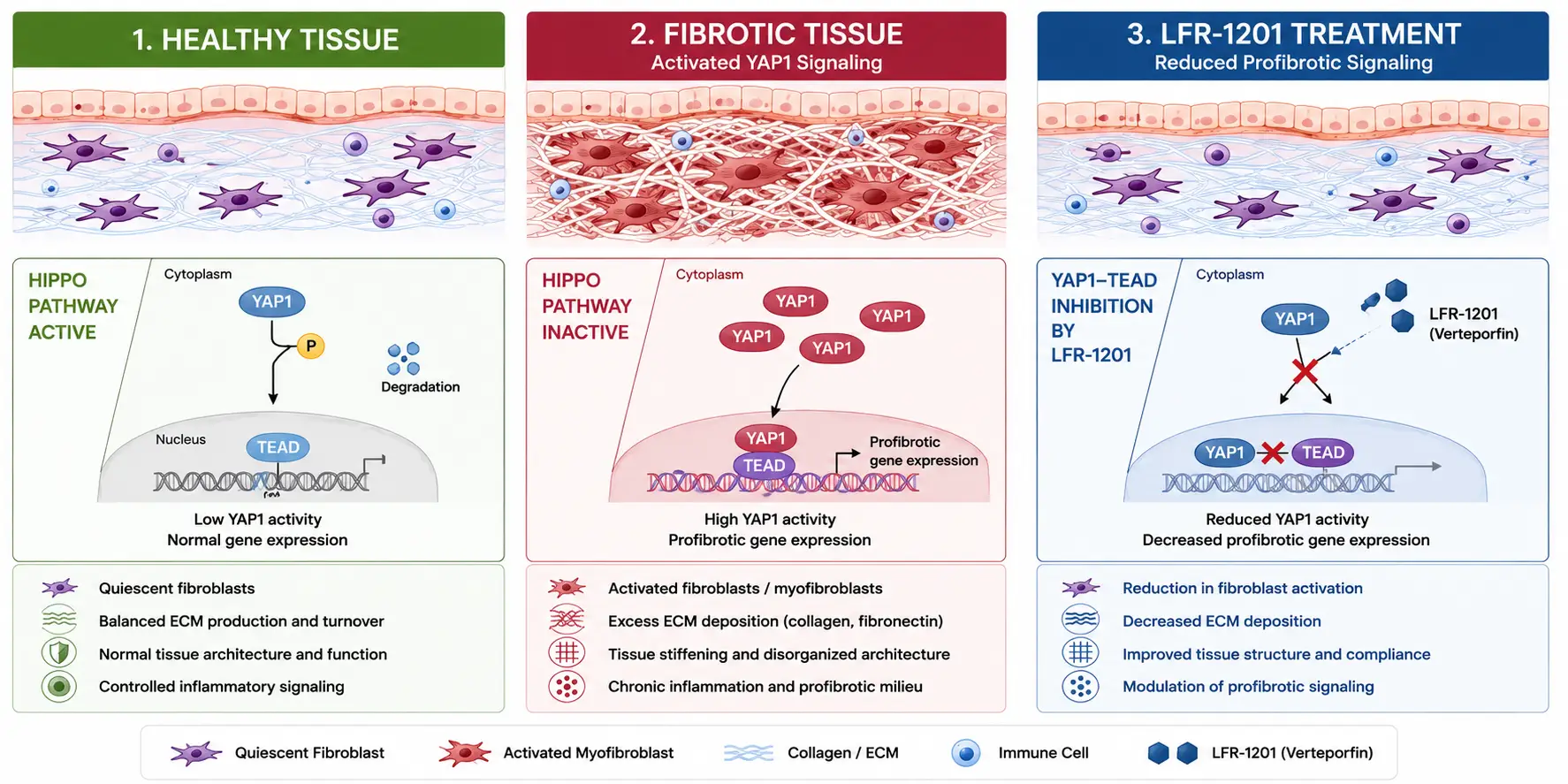
Emerging scientific evidence has identified Yes-associated protein 1 (YAP1) and TEA domain transcription factors (TEAD) as key regulators of fibroblast activation, extracellular matrix deposition, and tissue remodeling across multiple fibrotic diseases. Persistent activation of YAP1–TEAD signaling may contribute to the progression of fibrosis by promoting profibrotic gene transcription and myofibroblast differentiation.
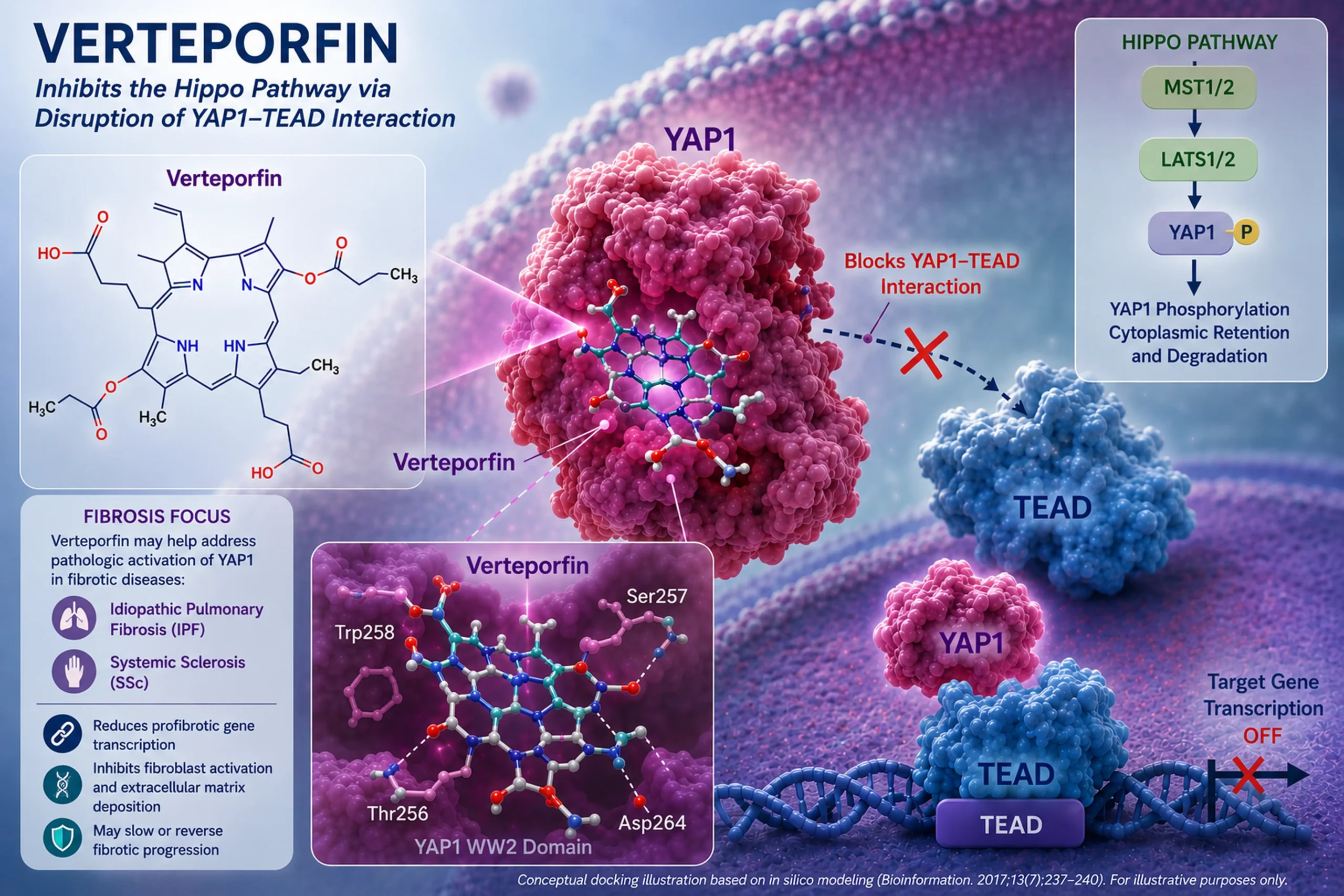
LFR-1201 is designed to disrupt the interaction between YAP1 and TEAD, potentially suppressing profibrotic signaling pathways associated with fibrosis progression.
The Hippo pathway has emerged as an important mechanotransduction pathway involved in regulating cellular proliferation, differentiation, tissue repair, and fibrosis. Dysregulation of this pathway has been implicated in multiple fibrotic diseases, including systemic sclerosis and pulmonary fibrosis.
Under normal physiological conditions, activation of the Hippo pathway results in phosphorylation of YAP1, leading to cytoplasmic retention and degradation. In fibrotic disease states, dysregulated YAP1 signaling can promote nuclear localization and interaction with TEAD transcription factors, driving expression of genes associated with fibrosis and tissue remodeling.
Verteporfin has been shown in published studies to disrupt YAP1–TEAD interaction and suppress downstream profibrotic signaling pathways.
Potential downstream effects of YAP1–TEAD inhibition may include:
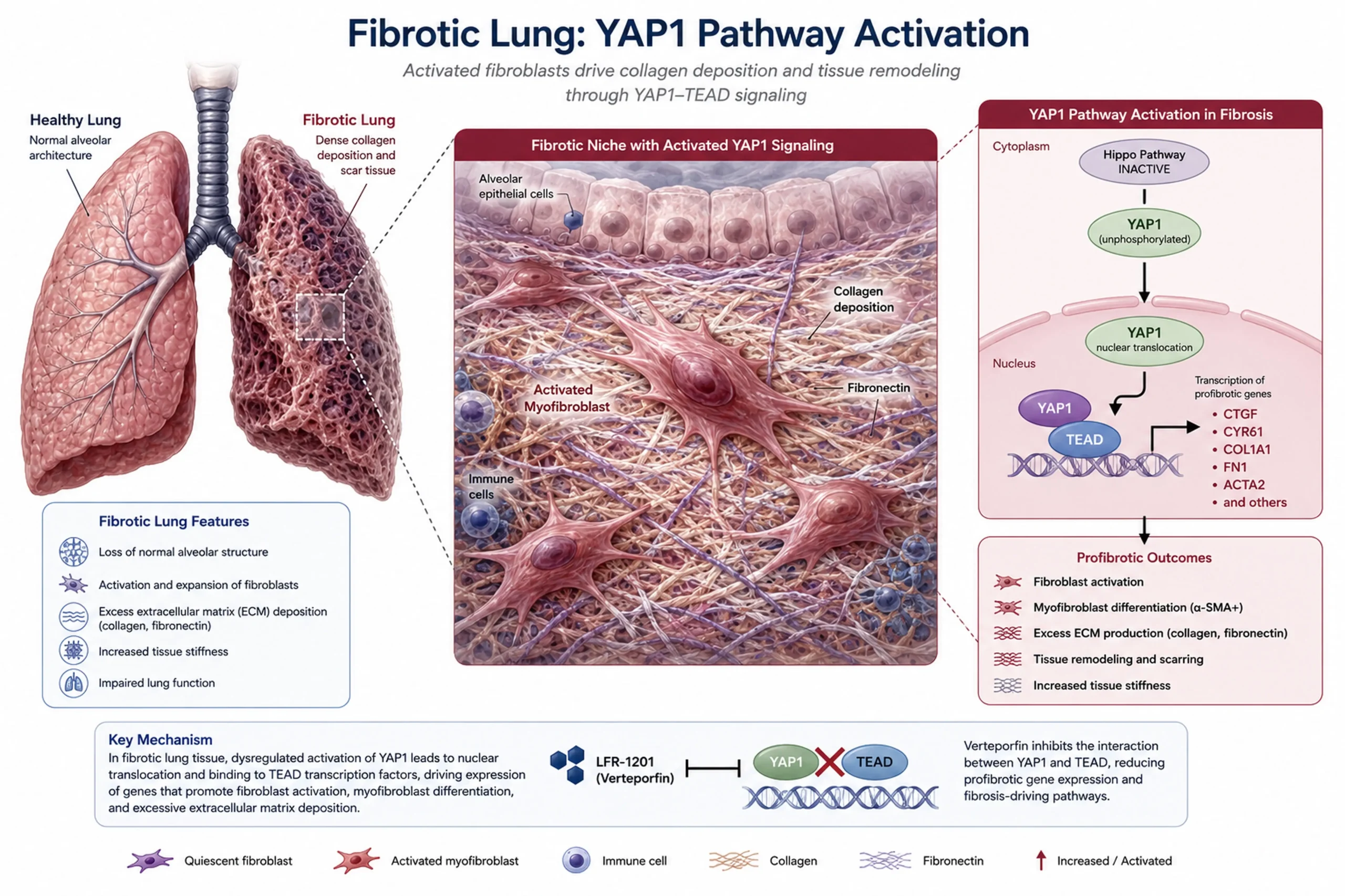
Idiopathic pulmonary fibrosis is characterized by progressive scarring of lung tissue driven by aberrant fibroblast activation and extracellular matrix accumulation.
YAP1 signaling has been implicated in mechanotransduction pathways associated with pulmonary fibrosis and fibroblast activation. Published studies have demonstrated that YAP/TAZ activation contributes to fibrotic signaling in pulmonary fibrosis models.
By modulating YAP1–TEAD signaling, LFR-1201 may help suppress profibrotic pathways involved in tissue remodeling and fibrosis progression.
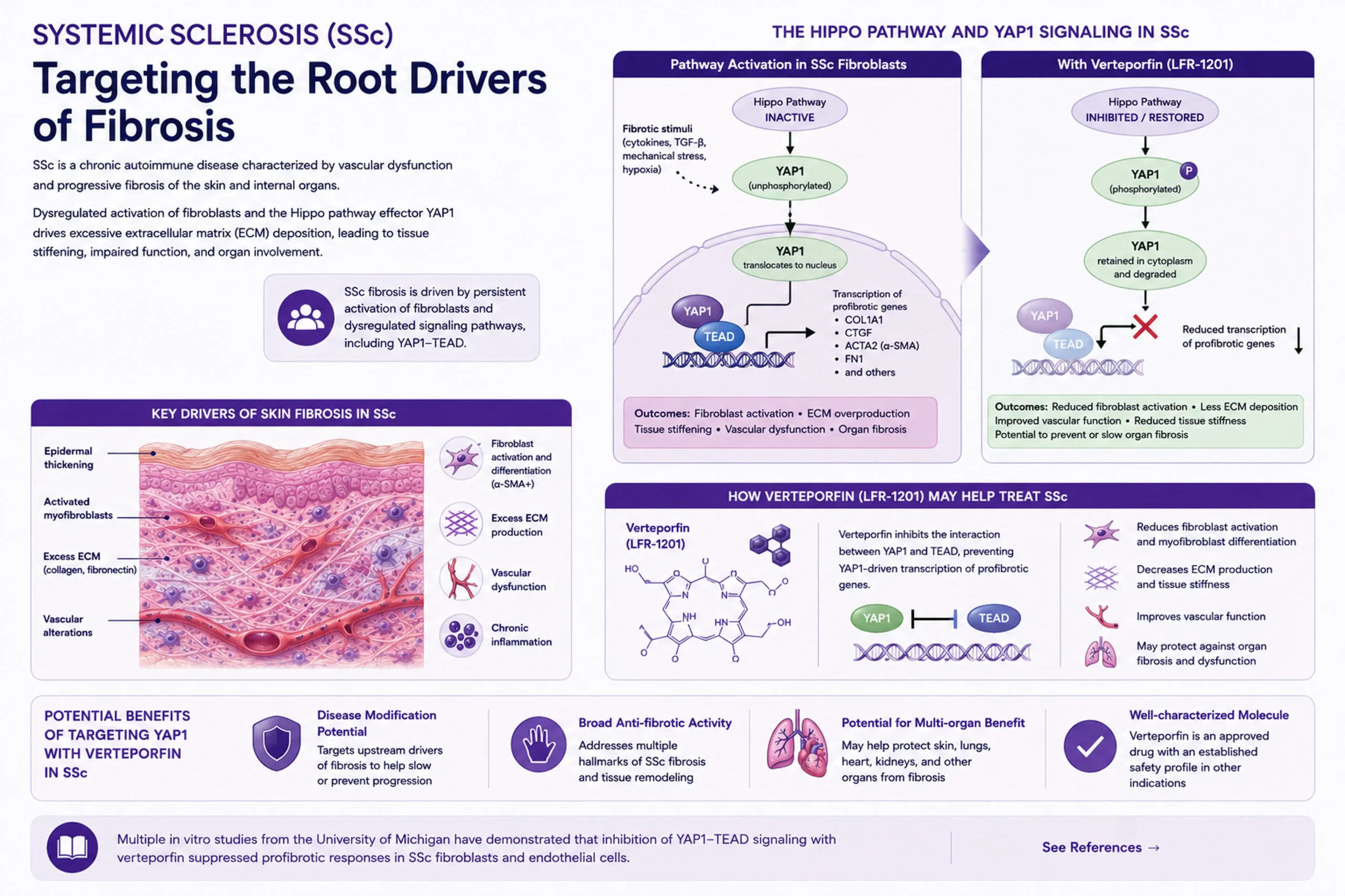
Systemic sclerosis is a chronic autoimmune disease characterized by immune dysregulation, vascular dysfunction, and progressive fibrosis of the skin and internal organs.
Recent work from researchers at the University of Michigan identified the Hippo pathway as a major driver of fibrosis in systemic sclerosis, demonstrating that verteporfin-mediated inhibition of YAP1–TEAD signaling reversed profibrotic phenotypes in myofibroblasts and endothelial cells.
LFR-1201 is comprised of a proprietary formulation of verteporfin, an FDA-approved small molecule with an established clinical and safety history in humans. By leveraging existing scientific, pharmacology, toxicology, manufacturing, and clinical data associated with verteporfin, LFR-1201 is well-positioned for development through the FDA’s 505(b)(2) regulatory pathway.
The 505(b)(2) pathway is specifically designed to support development programs that build upon prior knowledge and clinical experience from previously approved medicines. This approach can allow companies to strategically reduce certain development burdens while focusing new studies on demonstrating safety, tolerability, formulation performance, and therapeutic benefit in the target disease.
Liferna is developing LFR-1201 with a focused regulatory and clinical strategy intended to maximize opportunities for an efficient development pathway, including:
By combining an established molecule with a differentiated fibrosis-focused development strategy, Liferna aims to efficiently advance LFR-1201 toward clinical evaluation for patients suffering from serious fibrotic diseases such as systemic sclerosis and idiopathic pulmonary fibrosis.
For patients living with progressive fibrotic diseases, accelerated development strategies have the potential to help bring promising new therapeutic options forward more efficiently while maintaining rigorous standards for safety and scientific evaluation.