— Disease Biology
Understanding Cervical Cancer
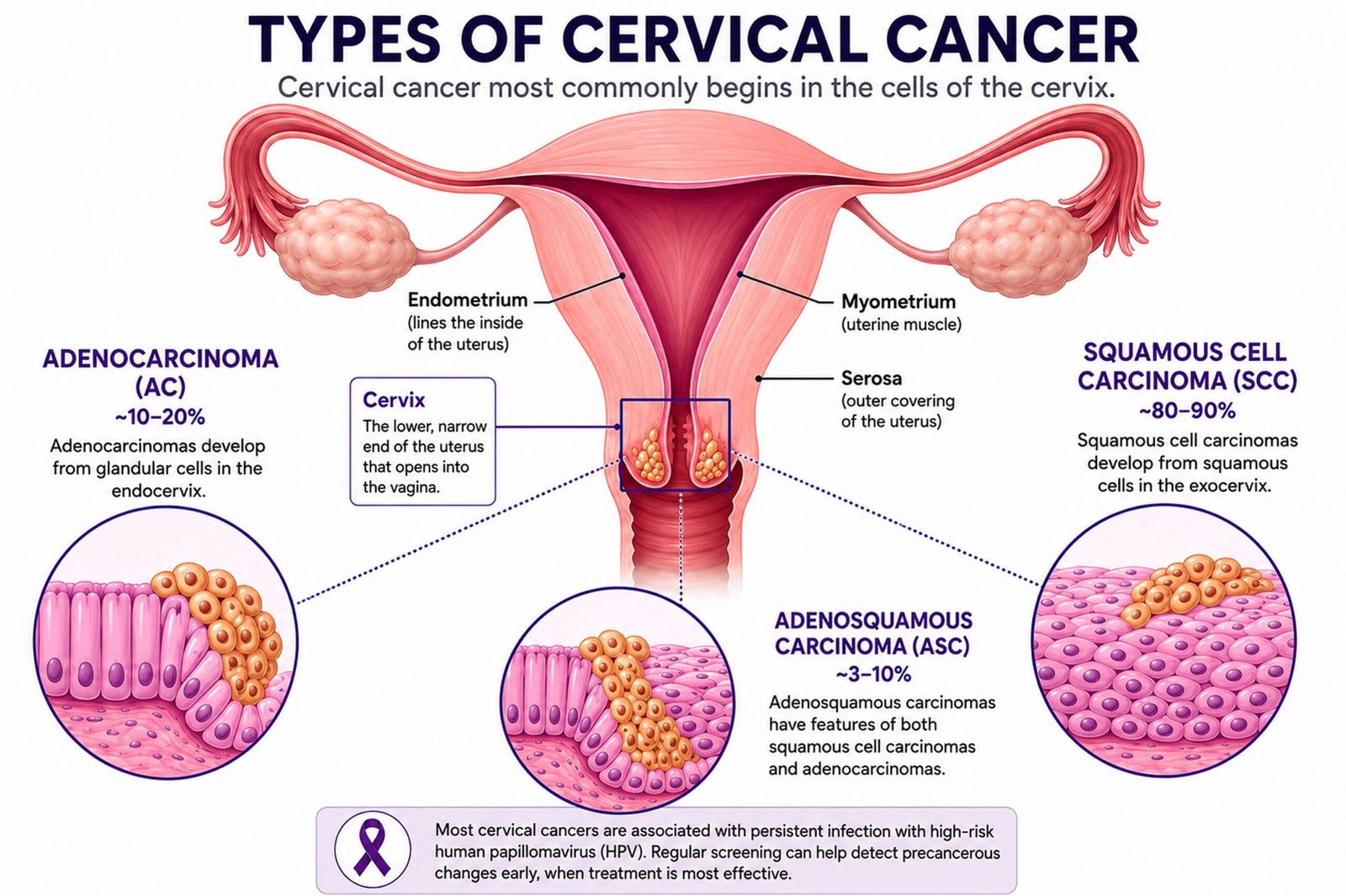
Squamous Cell Carcinoma — the most common subtype, arising from the thin, flat cells lining the outer cervix.
Adenocarcinoma — a less common subtype that develops from glandular cells within the cervical canal.
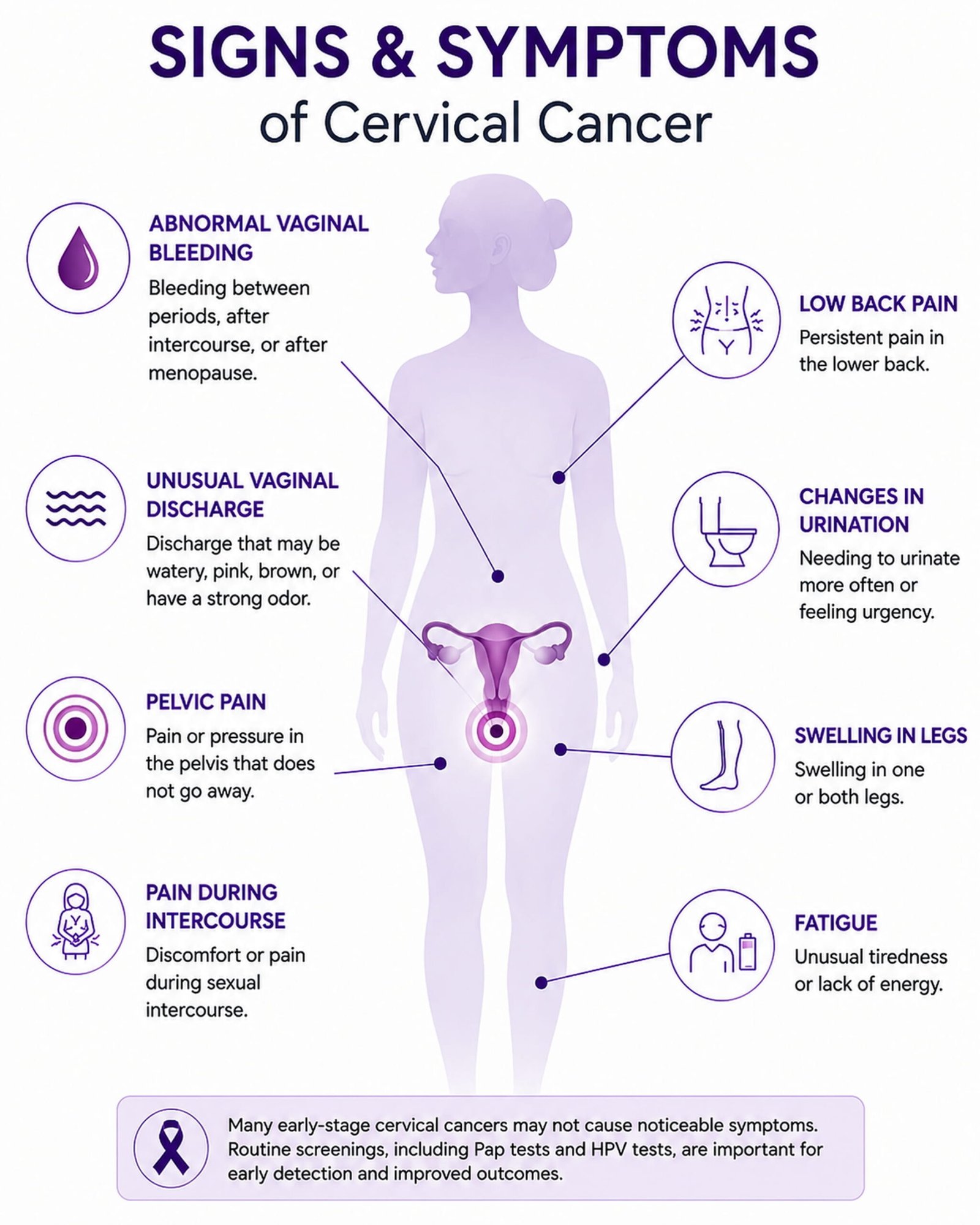
Signs & Symptoms
Common signs and symptoms of cervical cancer can vary depending on the stage and
extent of disease. In many cases, early-stage cervical cancer may develop slowly and without obvious symptoms, while more advanced disease can lead to increasingly persistent or progressive symptoms affecting the pelvic region and surrounding organs.
One of the most common warning signs is abnormal vaginal bleeding, which may occur between menstrual periods, after sexual intercourse, after menopause, or as heavier or longer-lasting menstrual bleeding. Women may also experience unusual vaginal discharge that can appear watery, pink, brown, or blood-tinged and may sometimes have a strong or unpleasant odor.
Pelvic pain or pressure is another frequently reported symptom and may present as a persistent ache or discomfort in the lower abdomen or pelvis. Some women may also experience pain during intercourse (dyspareunia), which can result from inflammation or involvement of cervical tissues.
As the disease progresses, cervical cancer can sometimes affect nearby structures, leading to symptoms such as lower back pain, changes in urination or bowel habits, urinary urgency or frequency, or swelling in one or both legs due to impaired lymphatic or vascular drainage.
Systemic symptoms such as fatigue, weakness, decreased appetite, and unintended weight loss may occur in more advanced stages of disease.
Risk Factors
Current Treatment Approaches
Why Immunotherapy?
Cancer cells can sometimes evade detection by the immune system through immune checkpoint pathways such as PD-1/PD-L1 signaling. Anti-PD-1 therapies are designed to help restore the immune system’s ability to recognize and attack cancer cells.
Immunotherapy has emerged as an important treatment approach for certain patients with advanced cervical cancer, particularly in tumors expressing PD-L1.
The PD-1/PD-L1 checkpoint pathway is one of the primary mechanisms through which tumors suppress immune activity. By blocking this interaction, anti-PD-1 monoclonal antibodies reinvigorate T-cell responses against tumor cells, enabling the immune system to mount a more effective anti-cancer attack.
For patients with advanced or recurrent cervical cancer following standard therapies, immunotherapy-based approaches represent an important avenue of continued treatment — particularly in PD-L1 expressing tumors.
Treatment for cervical cancer is personalized based on the stage of disease, tumor characteristics, and patient factors.
Liferna is evaluating an investigational anti-PD-1 monoclonal antibody for the treatment of multiple solid tumors, including cervical cancer.
The program is being explored as part of Liferna’s broader immuno-oncology strategy focused on advancing therapies designed to enhance anti-tumor immune responses.